
Last Updated: November 23, 2026
Quick Summary
The essential black literature e-books for your collection balance literary fiction, historical narrative, and speculative work, so your shelf covers both the classic canon and contemporary voices. Build a starter shelf of six titles: two classics, two contemporary novels, one memoir, and one speculative work. Then expand along the themes that hold your attention.
- Pair each canonical novel with a memoir or reportage from the same historical moment.
- Check series order before buying speculative e-books so you enter a saga at book one.
- Public library apps like Libby and Hoopla lend e-books for a set period.
- EPUB files reflow to fit your screen, making them the most flexible format.
- Add one new author each month and one classic each quarter.
Table of Contents
- Why Essential Black Literature E-Books Deserve Space on Your Shelf
- The Best Black and African American Literature to Start With
- Classic Books by Black Authors Every Reader Should Own
- Contemporary Black Authors Shaping the Digital Canon
- Where to Find Free Black Literature E-Books
- Curated Reading Paths by Interest, Format, and Series
- Building Your Essential Black Literature E-Books Collection
- Frequently Asked Questions
Why Essential Black Literature E-Books Deserve Space on Your Shelf
A personal library is an argument about what matters. The essential black literature e-books for your collection are the titles that carry the Black experience across generations, from the literary canon to contemporary voices, and an e-book shelf makes that argument portable, searchable, and permanent.
At Darius Blackman Publishing, we build our catalog around stories with purpose, depth, and impact, spanning fiction and nonfiction, memoir, social justice, and Afrofuturism.
But first, here is what most buying guides get wrong: they list titles without explaining why each one earns its place. A curated collection is not a pile of bestsellers. It is a set of deliberate choices.
The Best Black and African American Literature to Start With
The best Black and African American literature to start with balances literary fiction, historical narrative, and speculative work, so your shelf covers both the classic canon and contemporary voices. Start with three or four titles across genres, then expand along the themes that hold your attention.
A useful rule of thumb: build a starter shelf of six titles, two classics, two contemporary novels, one memoir, and one speculative work. That mix gives you range without duplication, and it lets you test which thread you actually want to pull.
Literary Fiction and Social Justice Narratives
Literary fiction and social justice narratives form the backbone of a serious collection. These are the novels and memoirs that examine the Black experience through character and consequence, and they reward rereading.
A practical pairing method works better than a random list. Put a canonical novel next to the memoir or reportage that shares its historical moment, and the fiction gains a documentary spine. For the mid-twentieth century, that means pairing novels of migration and urban life with memoirs of the same decades.
A common mistake is buying only the most famous names. The canon is deep, and mid-century writers often speak more directly to current conversations about civil rights literature and cultural heritage.
Afrofuturism and Speculative Sagas
Afrofuturism asks what Black futures look like when history is not erased. It is the branch of speculative fiction where ancestry, ancient technology, and survival meet, and it is one of the fastest-growing corners of the digital library.
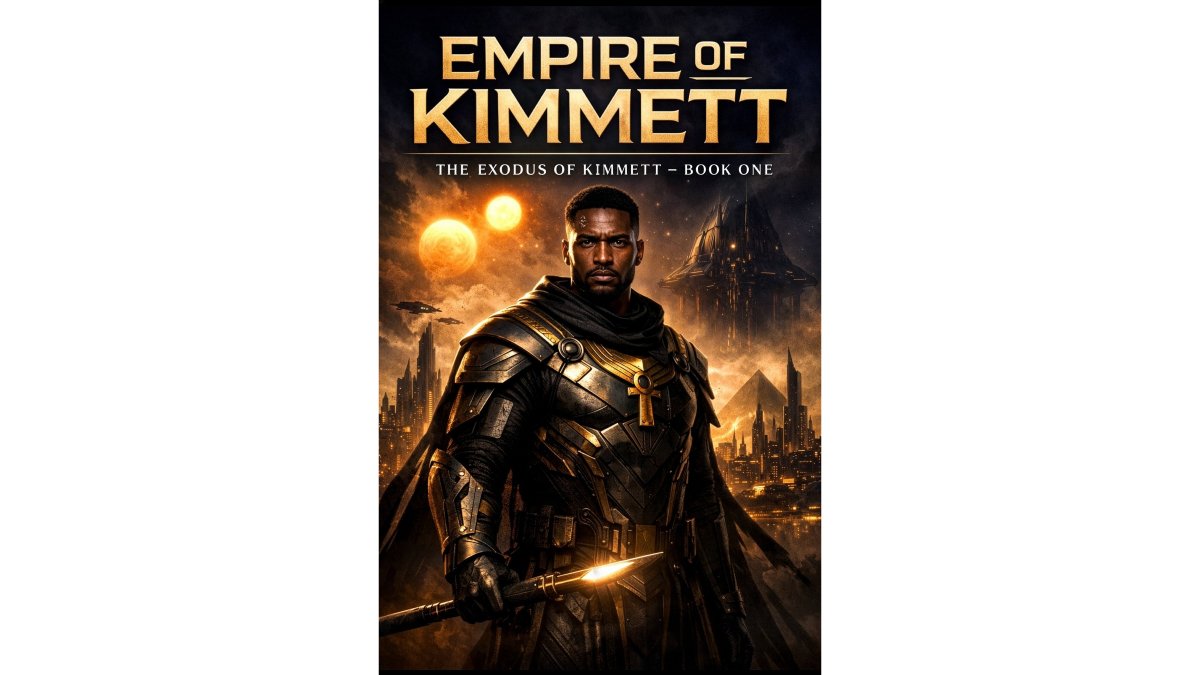
Our own Afrofuturism speculative fiction collection gives readers a browsable shelf of these sagas. If you want a starting point, Empire of Kimmett: The Exodus of Kimmett - Book One opens a saga about ancestry, hidden history, and the cost of preserving a civilization.
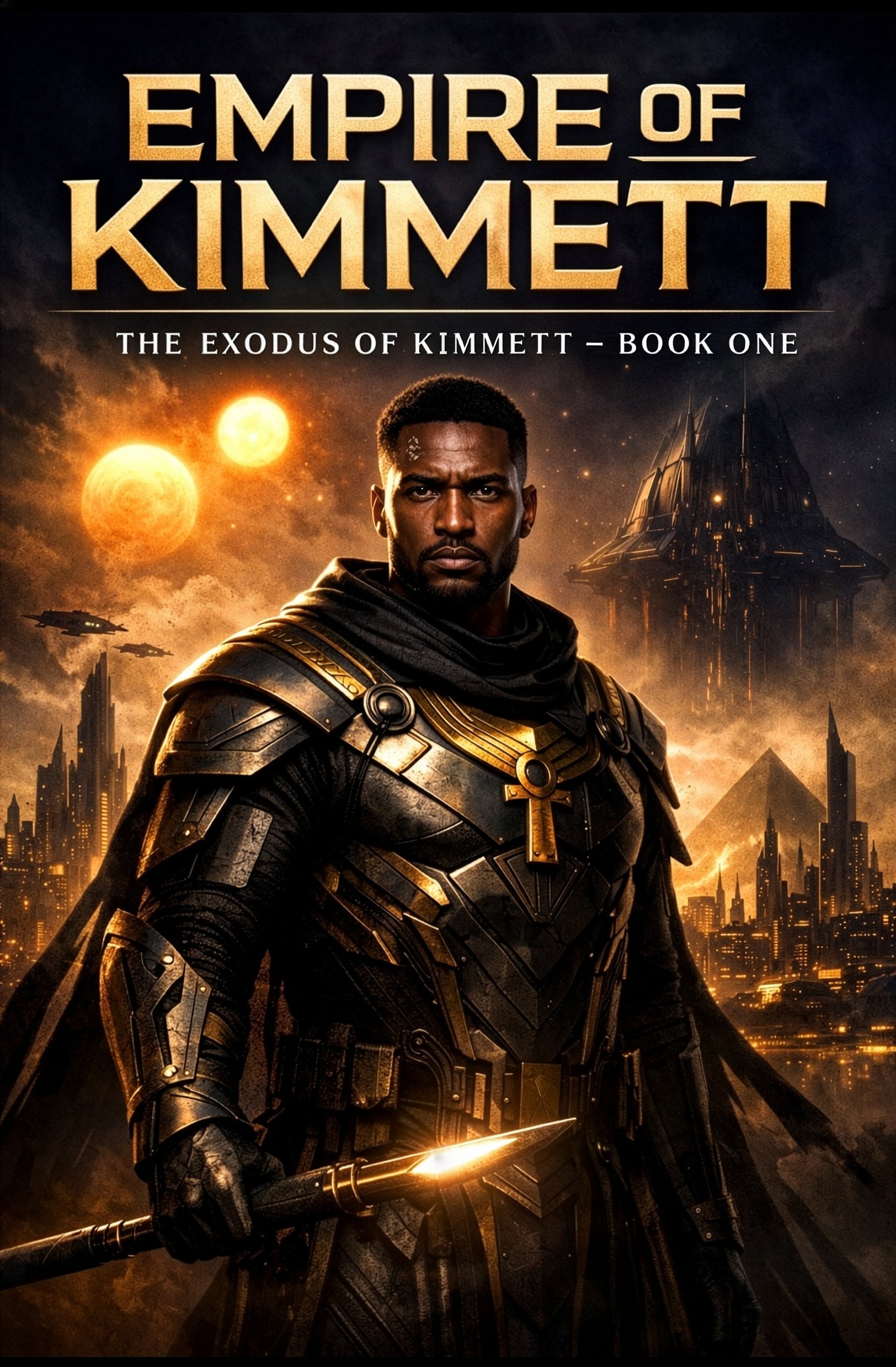
Speculative work is where a starter shelf most often goes wrong, because readers buy book three of a series without realizing it. Check the series order before you buy, and check whether the e-book is a standalone or a cliffhanger.
A Starter Shelf by Mood, Not Just Genre
Most buying guides sort by broad genre labels, which is why they all read the same. A better approach is to build starter packs by mood, because readers choose books by what they want to feel, not by Dewey decimal number. Three paths cover most readers:
- For the history buff: a canonical novel of migration paired with a civil rights memoir and a primary-document collection from the Library of Congress or National Archives. The fiction carries the emotion; the documents carry the evidence.
- For the thriller fan: civic and legal suspense with a contemporary setting, then a nonfiction account of a real case or policy fight. The fiction supplies pace; the nonfiction supplies stakes.
- For the reader who wants joy, not trauma: contemporary romance and family fiction by Black authors, paired with a memoir or essay collection about Black joy and everyday life. This path matters because too many lists treat Black literature as a single tragic register.
Once you have a starter shelf, the next step is to follow authors rather than titles. When a voice earns your trust, buy the backlist, and let the reading path grow from there.
Classic Books by Black Authors Every Reader Should Own
Classic books by Black authors anchor a collection because they established the literary canon that contemporary writers build on. Own the foundational novels, the landmark memoirs, and the civil rights literature that documented the fight for justice in real time.
Digital editions make these titles easy to keep on your device. The Library of Congress collections on African American history hold primary documents that pair well with classic literature, and the National Archives resources on civil rights give context to the historical narrative behind the fiction. Reading a classic novel beside its historical record changes how it lands.
Watch out: older public-domain editions vary in quality. Check that the e-book has a linked table of contents and clean formatting before you commit shelf space to it.
Contemporary Black Authors Shaping the Digital Canon
Contemporary Black authors are shaping the digital canon in real time, and e-books are where their work moves fastest. This is the section of your collection that stays alive, because new voices in literary fiction, romantic suspense, and narrative nonfiction arrive every season.
Readers keep asking which contemporary titles are actually worth the money. Our article on why Black romance books are trending breaks down the reasons these titles have found such a wide audience, and it is a useful map for anyone building a modern reading list.
The practical move is to follow authors rather than titles. When you find a contemporary voice you trust, buy the backlist. Series and connected novels reward that loyalty.
Where to Find Free Black Literature E-Books
Free Black literature e-books are widely available through public libraries and open archives, and they are a legitimate way to build a collection without stretching your budget.
Here is where we would look first, with the mechanics spelled out:
- Public library digital lending. A library card usually unlocks apps such as Libby (the OverDrive reader) and Hoopla, which lend e-books and audiobooks for a set period and return them automatically. Availability depends on your library's catalog, and popular new releases often have hold queues. This is the best route for current titles you want to read once.
- Open archives and university collections. Project Gutenberg, the Internet Archive, and the digital collections at the Library of Congress and the National Archives host public-domain classics, historical documents, and primary sources. These files are free to download and keep, but quality varies, so check formatting and the table of contents before you add one to your permanent shelf.
- Publisher newsletters and author websites. Many publishers and authors offer a free introductory title, a sample chapter, or a short story in exchange for an email address. Treat these as samples, not as the core of a collection.
- Library and nonprofit reading programs. Many public libraries run seasonal reading challenges and digital book clubs that include free access to selected titles. These are worth watching if you want structure rather than a random download.
Watch out: "free" public-domain editions are only free in the sense that the text is out of copyright. A poorly formatted file can cost you more in reading time than a clean paid edition, so sample the first chapter before you commit.
Format compatibility is the second half of the access question, and it is where most readers get stuck. EPUB files reflow to fit your screen and font size, which makes them the most flexible choice across phones, tablets, and dedicated e-readers.
Free titles are excellent for testing a genre before you invest.
Curated Reading Paths by Interest, Format, and Series
Curated reading paths solve the hardest question in collection building: what do I read next? A path groups titles by interest, format, and series so you always have a logical next step instead of a random pile.
We organize our own catalog this way, and it changes how readers shop. Instead of browsing by cover, you follow a thread. Here is how we would structure three paths:
| Reading Path | Start With | Then Move To | Best For |
|---|---|---|---|
| Afrofuturist saga | Empire of Kimmett: Book One | Convergence War, then Fractured Infinity | Readers who want a long series |
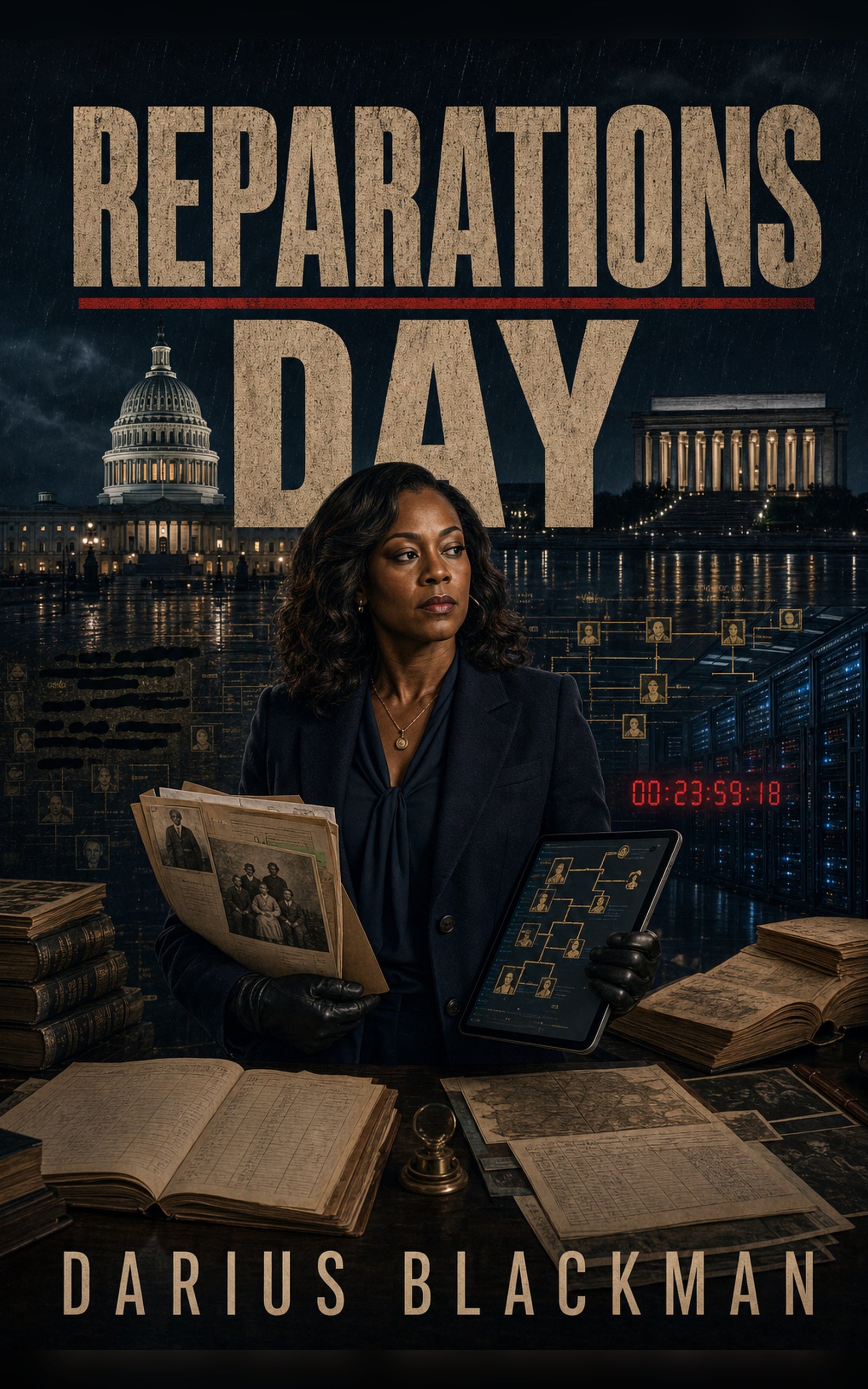
| Civic suspense | Ledger Line | Reparations Day | Readers who like legal and political intrigue |
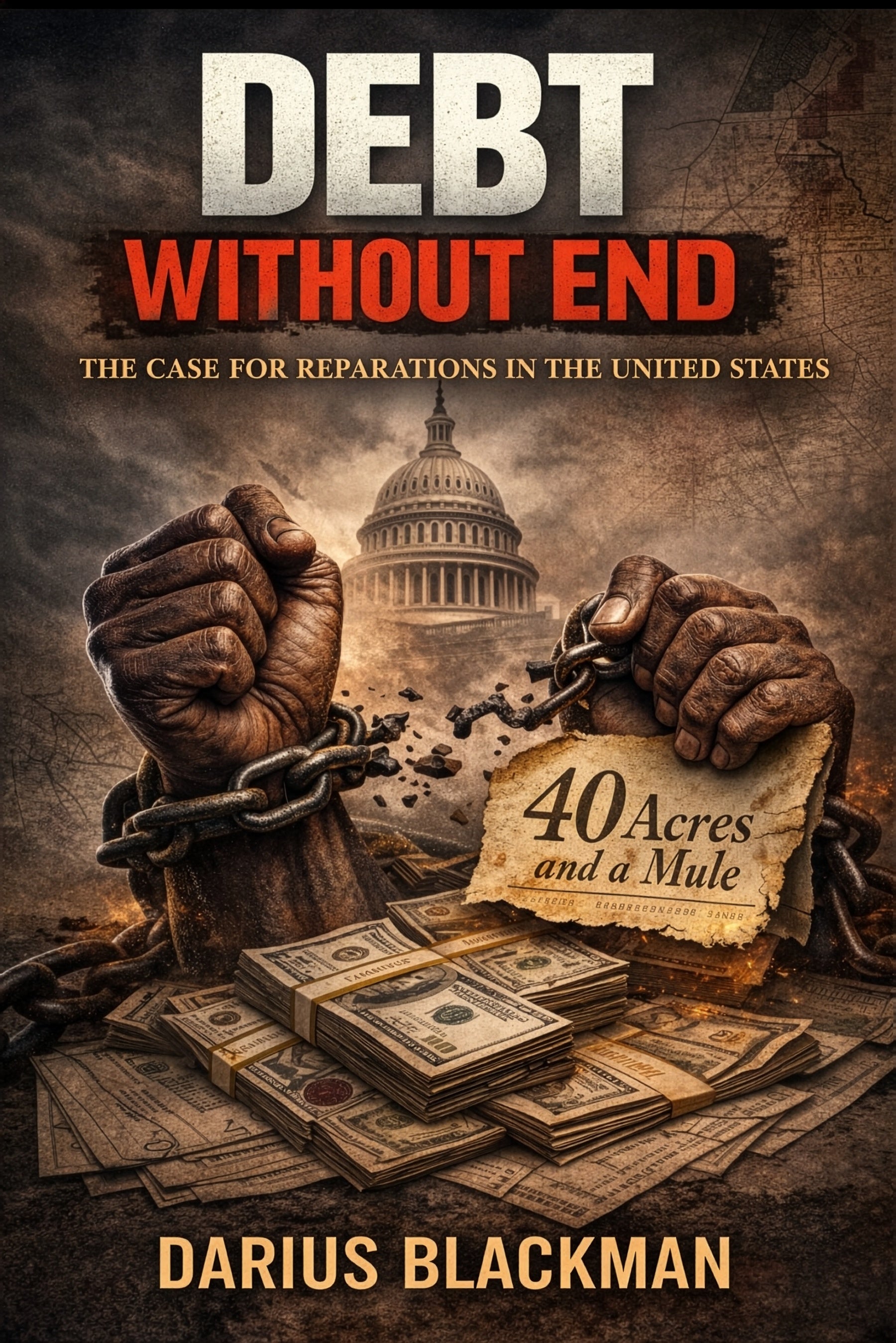
| Historical case | Debt Without End | Civil rights literature | Readers building a nonfiction core |
Format matters as much as theme. EPUB3 files reflow to fit your screen and font size, which makes them the most flexible choice for phones, tablets, and dedicated e-readers. Check compatibility before you buy a large batch.
For readers who want to build a collection with others, our guide on how to start a Black romance book club gives you a structure that keeps a group reading together.
Building Your Essential Black Literature E-Books Collection
Building a collection is a sequence, not a shopping spree. Start with four to six anchor titles across fiction, nonfiction, and speculative work, then expand along the paths that hold your interest. Add one new author each month and one classic each quarter.
Our e-books are priced at $8.00 each, and our 30-day money-back guarantee applies to your order.
Not sure whether a subgenre deserves shelf space? Our honest verdict on whether Black romance novels are worth reading is written for exactly that decision.
The hardest part of collecting is not finding books. It is choosing well among thousands of options and knowing which title comes next.
Frequently Asked Questions
What are five books every Black man should read?
A strong starting five mixes history, fiction, and leadership. Try Debt Without End for the legal and historical case on reparations, Ledger Line for civic suspense about neighborhood power, The Awakening of Khemara: The First Signal for Afrofuturist science fiction, Empire of Kimmett: The Exodus of Kimmett for an ancestral saga, and a classic memoir or essay collection to anchor the list. Rotate between fiction and nonfiction so the reading stays fresh.
Where can I find Black literature as e-books?
Independent publishers are often the fastest route. Darius Blackman Publishing sells EPUB editions directly at $8.00 per title, including Afrofuturist series and civic thrillers. Public library apps also lend e-books at no cost with a card, and university open-access archives host older public-domain works. Check the format before buying: EPUB3 with a linked table of contents reads cleanly on most phones, tablets, and dedicated e-readers.
Which classic Black literature should I read first?
Start with a short, high-impact work rather than the longest canonical novel. Essay collections and novellas let you sample the voice before committing to a 400-page book. Pair each classic with a contemporary title on the same theme, such as a modern Afrofuturist novel alongside an older speculative story, so you can hear how the tradition carries forward. That pairing habit makes classic books by Black authors feel current instead of obligatory.
What contemporary books by Black authors should I add to my collection?
Look for series you can follow rather than one-off titles. The Empire of Kimmett saga runs four books, and the Khemara sequence runs three, both at $8.00 per e-book, so you can build a reading path instead of guessing what comes next. Add one standalone thriller such as Reparations Day for variety. Before buying, confirm the reading order and check whether each listing is the e-book or the separately sold paperback.
Are free Black literature e-books worth downloading?
Yes, with caveats. Public-domain titles from library apps and open archives cost nothing and cover much of the early canon, but scans vary in quality and often lack linked tables of contents. Free Black literature e-books work best as a sampling tool: read a classic at no cost, then spend $8.00 on a well-formatted edition of a living author's work. That split keeps your budget low while supporting writers directly.
