
Quick Summary
Romantasy is popular right now because it blends romance and fantasy so that the love story drives the plot inside an immersive, invented world. Its recent surge is driven by series formats, reader communities, and short-form video recommendations like BookTok, which together let a single discovery turn into several purchases. The romantasy popular trend reflects a revival of genres readers have followed for decades.
- The romantic relationship drives the plot rather than sitting as a subplot.
- Series became the default format, so one discovery can lead to several purchases.
- BookTok lets a single enthusiastic video push a title up the charts within days.
- Visibility alone is not proof of growth, so compare online attention with dated sales data.
- Check a book's blurb for how much romantic tension it contains before you buy.
Table of Contents
- What Romantasy Means and Where It Came From
- What Makes a Book Romantasy
- The Timeline of the Genre's Revival
- How BookTok and Word of Mouth Drive Demand
- Who Reads Romantasy and Why
- Romantasy Criticism and Where Readers Push Back
- Choosing Your First Romantasy Books to Read Next
- Frequently Asked Questions
What Romantasy Means and Where It Came From
Last Updated: November 22, 2026
Romantasy is the blend of romance and fantasy, where a love story drives the plot inside a world of magic, invented politics, and worldbuilding, and it has become one of the most popular romantasy popular genres among readers today. Readers who love Black romance and immersive storytelling have been among its most vocal fans. Understanding why the genre has surged starts with knowing what it is and how it got here.
How romance and fantasy blend into one story
In a romantasy novel, the romantic relationship is not a subplot tacked onto an adventure. The emotional stakes of the love story shape the magic system, the political conflict, and the choices the heroine makes. Fantasy supplies the setting, the rules, and the danger, while romance supplies the reason the reader keeps turning pages.
Many writers and readers describe the genre as a balance between the two. A story can lean toward fantasy with a romantic thread running through it, or lean toward romance with an otherworldly backdrop. Either way, the relationship has to carry real weight.
What Makes a Book Romantasy
A book usually qualifies as romantasy when it meets a few recognizable markers:
- A central romance with a clear emotional arc, often including popular tropes such as enemies to lovers or a slow burn
- A fantasy setting with magic, a non-real world, or supernatural elements that matter to the plot
- A strong, often female-centered point of view, with a heroine whose choices drive the story
Where readers push back is on the edges. Some books feature romance that is secondary to the plot, which can frustrate readers expecting a love story at the center. Checking the blurb for how much romantic tension the book contains is a practical way to avoid a mismatch.
The Timeline of the Genre's Revival
Romance and fantasy have been blended for decades, so the current wave is a revival rather than an invention. Tracing the lineage makes the recent surge easier to read as a pattern instead of a fluke.
Earlier waves of romantic fantasy
Publishers have long paired love stories with invented worlds. The gothic romance tradition of the eighteenth and nineteenth centuries put emotional stakes inside haunted settings. Mid-twentieth-century fantasy often carried a romantic thread, and the paperback boom of the 1970s and 1980s produced fantasy series with devoted followings. By the 1990s and 2000s, paranormal romance and urban fantasy had built a large, vocal readership around vampires, werewolves, and magic-wielding heroines. Those books proved that readers would follow a relationship across multiple volumes set in a supernatural world.
What changed in the recent wave
The recent revival differs from earlier waves in three practical ways. First, series became the default format, so a single discovery could convert into three, five, or more purchases. Second, the balance shifted: the romance moved from a thread inside a fantasy plot to the engine of the plot, which is the defining marker of romantasy. Third, discovery moved onto short-form video and online reader communities, which could lift a title into bestseller territory faster than traditional review coverage.
A practical way to read the timeline
Exact dates depend on the source, so treat any single timeline as an approximation. A more reliable approach is to check publisher and bookseller reporting for when a specific title first appeared on a bestseller list, then compare that date with the book's publication date. A short gap between release and list appearance is a signal that discovery was driven by reader communities rather than a slow review cycle. That method lets you build your own timeline from verifiable data instead of relying on a remembered narrative.
Watch out: a title that trends online is not automatically a bestseller, and a bestseller is not automatically a trend. Check the list, the date, and the format before drawing a conclusion.
How BookTok and Word of Mouth Drive Demand
Social media is one visible part of romantasy's discovery engine, and it works alongside other recommendation channels. The genre's commercial momentum comes from several recommendation channels reinforcing one another, and understanding how they interact explains more than BookTok alone.
The short-form video loop
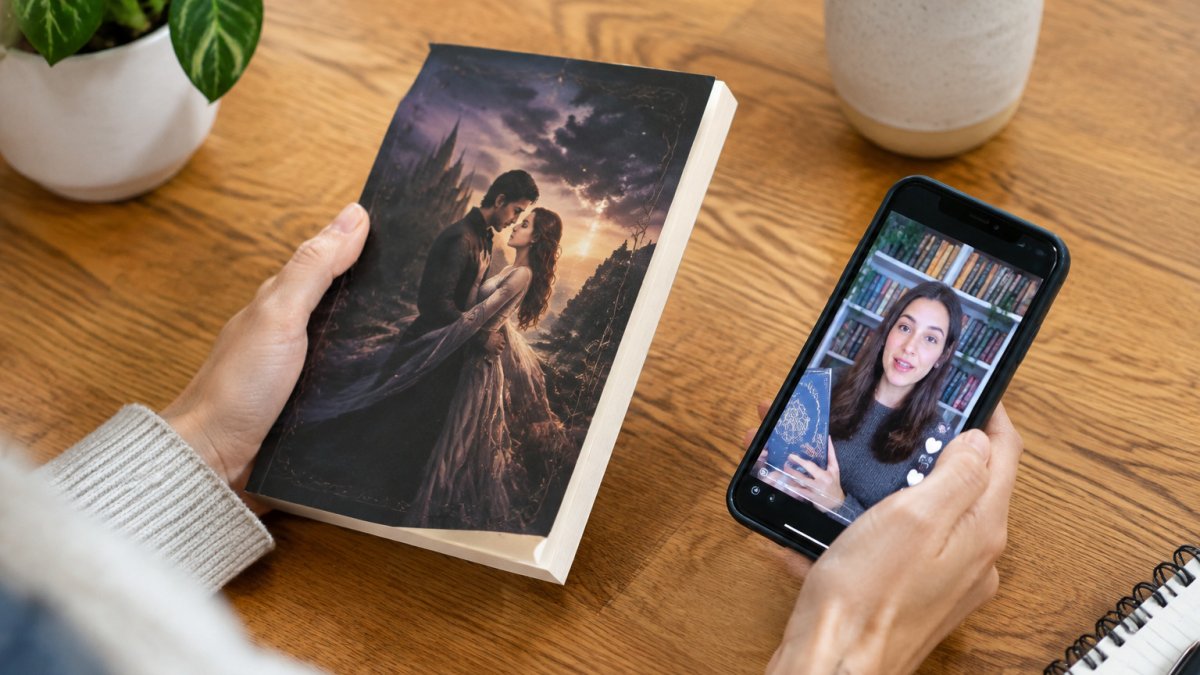
BookTok, the book community on TikTok, lets readers post reactions, fan art, and short reviews that reach people far beyond a bookstore shelf. A single enthusiastic video can send a title up the charts within days. The format rewards emotional reaction over literary analysis, which suits a genre built on high-stakes relationships. Creators often specialize in a trope, enemies to lovers, slow burn, fated mates, so viewers can follow the account that matches their taste.
The rest of the recommendation ecosystem
Several other channels work alongside short-form video:
- Online reader communities. Discussion forums, reading trackers, and group chats let readers compare notes, rank series, and warn each other about mismatched expectations.
- Influencers and reviewers. Some creators build audiences large enough that publishers and retailers take notice, and a recommendation can move copies across formats.
- Retailers and algorithms. Online storefronts surface 'readers also bought' suggestions and personalized recommendations, which turn a single purchase into a series purchase.
- Independent authors. Self-published and small-press authors can release quickly and test tropes directly with readers, feeding the wider market with proven formulas.
- Libraries and librarians. Library displays, hold lists, and staff picks extend reach to readers who do not use short-form video at all.
Why the loop compounds
Each channel feeds the next. A video drives a spike, the spike moves a title onto a bestseller list, the list appearance earns retail placement, and the placement exposes the book to readers who never saw the original video. Series format amplifies the effect, because a reader who finishes book one is already a candidate for book two. That compounding is why romantasy's growth looks sudden in charts even when the underlying readership built gradually.
Watch out: visibility is not the same as measurable growth. A title can trend heavily and still sell modestly, so compare online attention with dated sales, library, and bestseller data before treating a spike as a trend.
The recommendation channels behind romantasy's growth work together, and each one feeds the next.
| Channel | What it does | Effect on demand |
|---|---|---|
| Short-form video (BookTok) | Reader reactions and short reviews reach far beyond bookstores | A single video can push a title up the charts within days |
| Online reader communities | Readers compare notes, rank series and warn about mismatched expectations | Shapes what readers choose and what they avoid |
| Influencers and reviewers | Large audiences draw publisher and retailer attention | A recommendation can move copies across formats |
| Retailer algorithms | 'Readers also bought' suggestions surface related titles | Turns one purchase into a series purchase |
| Independent authors | Quick releases test tropes directly with readers | Feeds proven formulas into the wider market |
| Libraries and librarians | Displays, hold lists and staff picks extend reach | Reaches readers who do not use short-form video |
Who Reads Romantasy and Why
Romantasy draws a broad readership of adult readers who want escapism, immersive worlds, and emotional connection. Many are adult readers who enjoy romance and fantasy, and the appeal often lies in characters whose relationships feel high-stakes and personal. Readers who want thought-provoking stories often appreciate the way the genre uses magic to explore power, identity, and loyalty.
The appeal is not limited to one group. Readers across different backgrounds find something in the genre, which is one reason publishers and imprints keep expanding their lists. If you want to connect with other fans, these practical steps for starting a lasting Black romance book club show how to build a community around it.
Romantasy Criticism and Where Readers Push Back
The genre is not without critics. Some readers feel that romance gets sidelined in certain bestsellers, while others find the intensity of the relationships overwrought. Debates also circle around how much sexual content a book includes and whether romantic tension is handled responsibly. For an honest assessment of whether Black romance novels are worth your time, see our verdict.
Honest reviewing helps here. A book that delivers a strong romance may still disappoint a reader who wanted more worldbuilding, and the reverse is equally true. Knowing your own preferences makes the criticism easier to weigh.
Choosing Your First Romantasy Books to Read Next
If you are new to the genre, start with a title whose blurb matches the balance you want, whether that is heavy worldbuilding, a slow-burn romance, or a crime-driven plot. Our curated guide to the best romantasy titles for adults can help you narrow the choice. Series are common in romantasy, so checking reading order before you buy saves frustration.
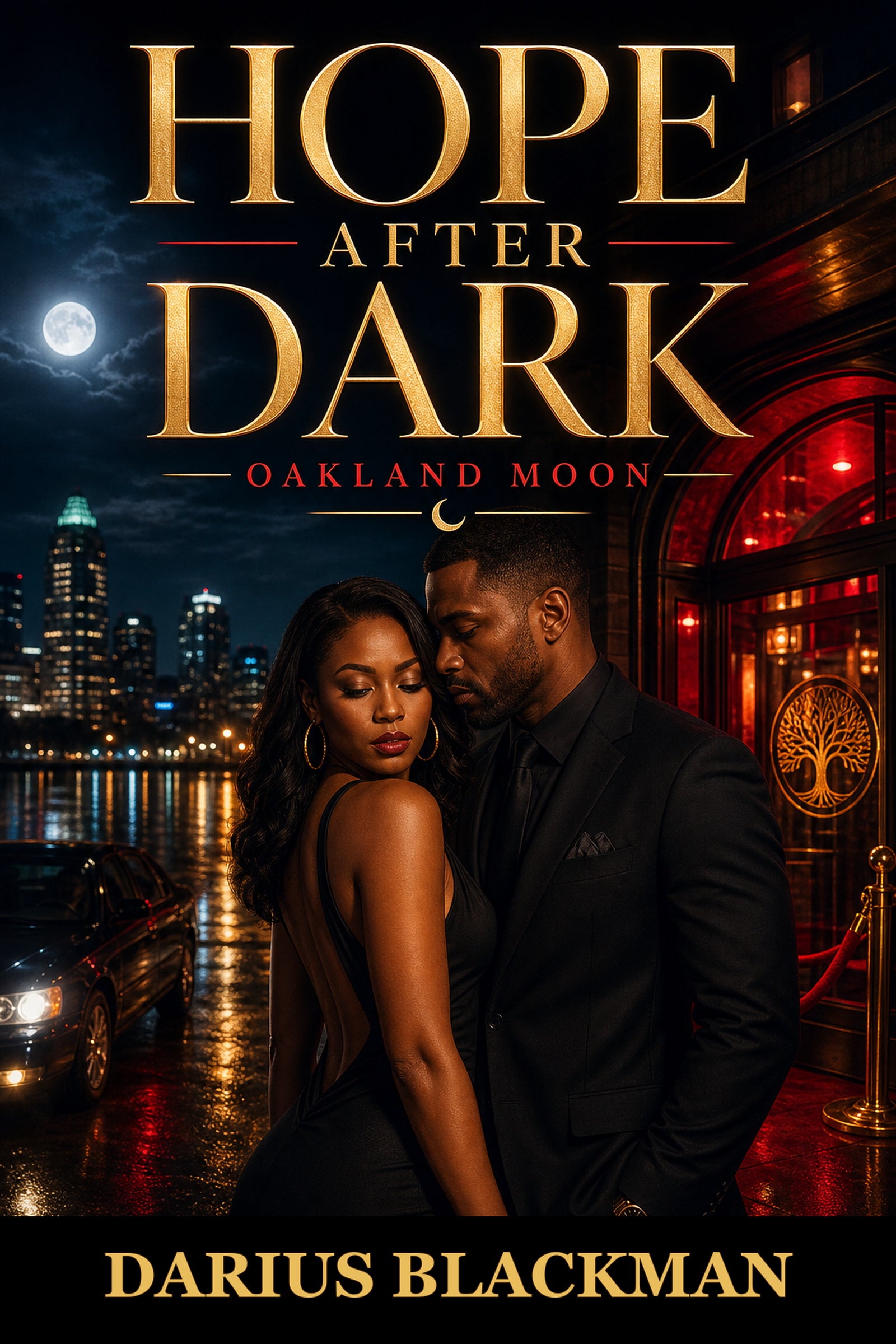
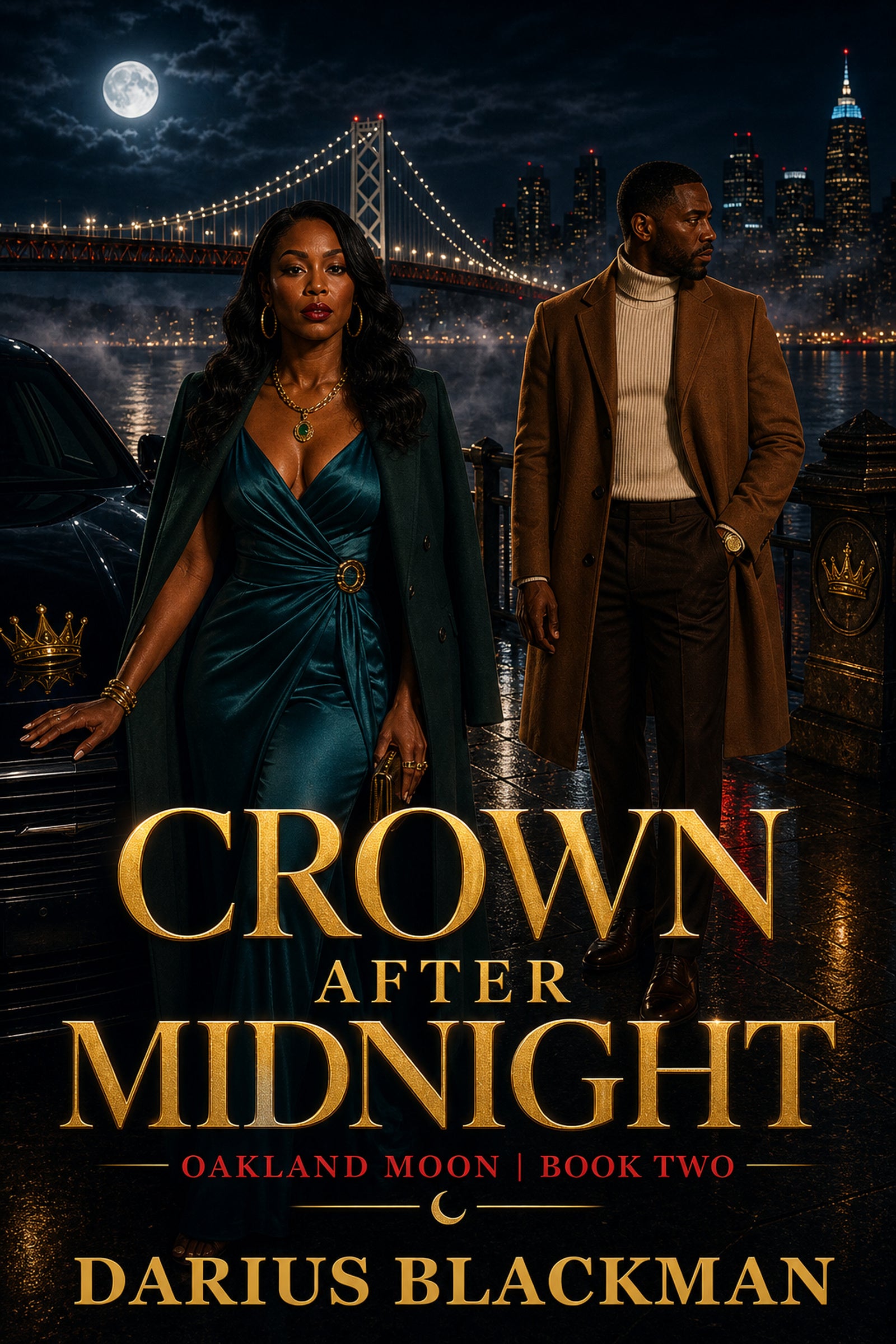
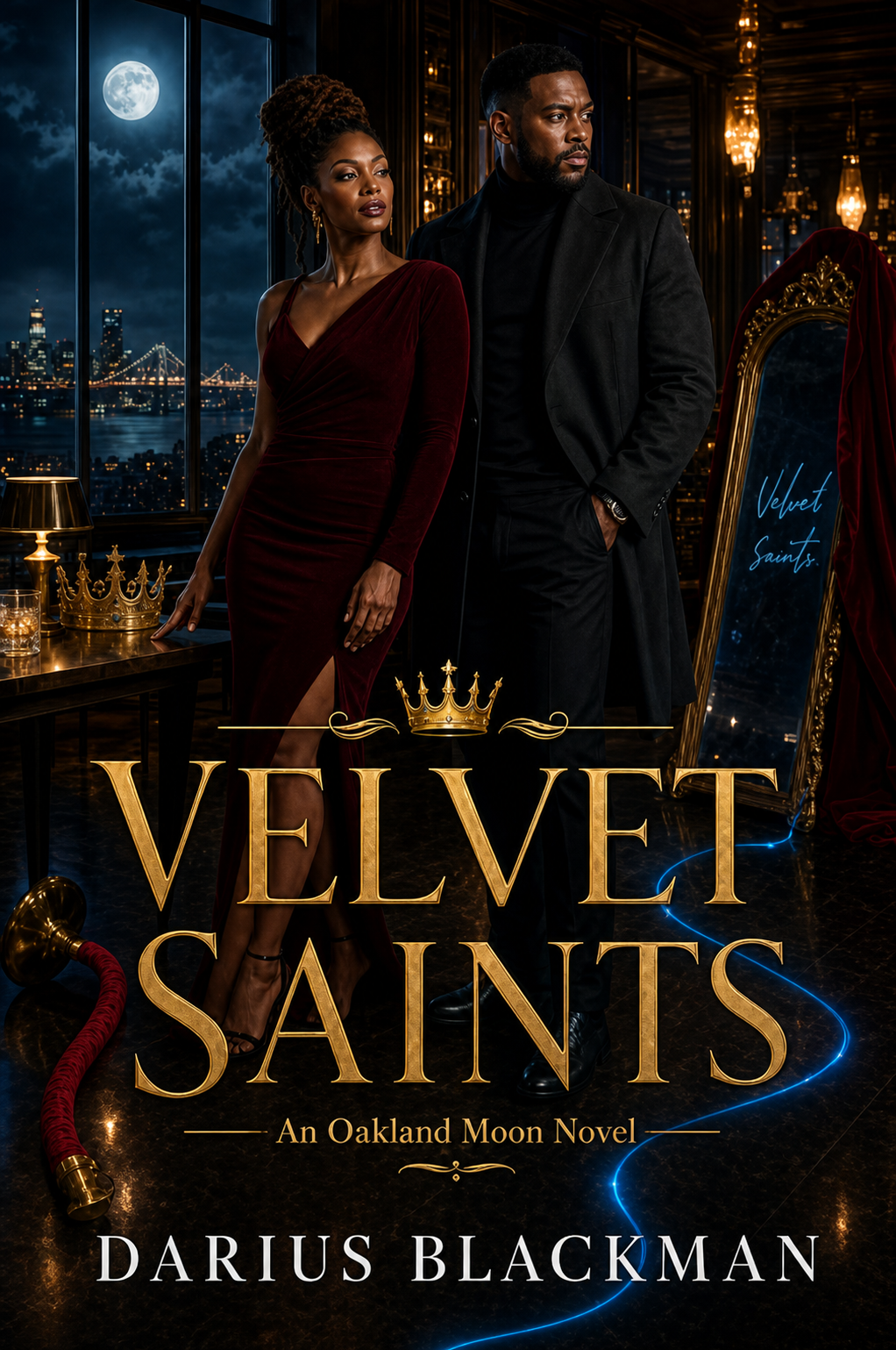
Darius Blackman Publishing's Oakland Moon series is one place to begin. Hope After Dark: Oakland Moon, Book One (Hope After Dark, $8.00) introduces Dr. Candice Monroe and an Oakland mystery of desire, power, and supernatural consequence. Continue with Crown After Midnight (Crown After Midnight, $8.00) and Velvet Saints (Velvet Saints, $8.00), both available as e-books.
Our advice is to read the books in order, beginning with Book One, so the characters' histories land the way the author intended.
Frequently Asked Questions
Why is everyone reading romantasy?
Romantasy combines the emotional payoff of a romance plot with the escapism of fantasy settings, magic systems, and worldbuilding. Readers get a love story with high stakes and an immersive world in one book. Social media discovery, especially BookTok, has pushed these titles into wider view, and word of mouth keeps them selling across series. Many readers describe the genre as a way to get both emotional connection and imaginative distance from everyday life.
What makes a book romantasy?
A book usually counts as romantasy when a fantasy setting with magic or a invented world sits alongside a romance that drives the plot. The love story is not a side detail; it shapes the stakes and the character choices. Strong heroines are common, and the romance often carries emotional weight rather than only providing a subplot. Books that have magic but no meaningful romantic arc are usually classed as fantasy instead.
Who reads romantasy?
Some readers come from romance backgrounds and others from fantasy, drawn in by the blend. Readership is broader than stereotypes suggest, and the appeal is tied to escapism, emotional storytelling, and reader communities rather than a single demographic.
What should I read if I want to try romantasy?
Start with a first book in a series so you can judge the blend of romance and fantasy before committing to more volumes. Darius Blackman Publishing's Oakland Moon series is a good place to begin: Hope After Dark: Oakland Moon, Book One is available as an e-book for $8.00, and you can read the first chapter free before buying. Continue to Crown After Midnight and Velvet Saints once you know the tone suits you.
